

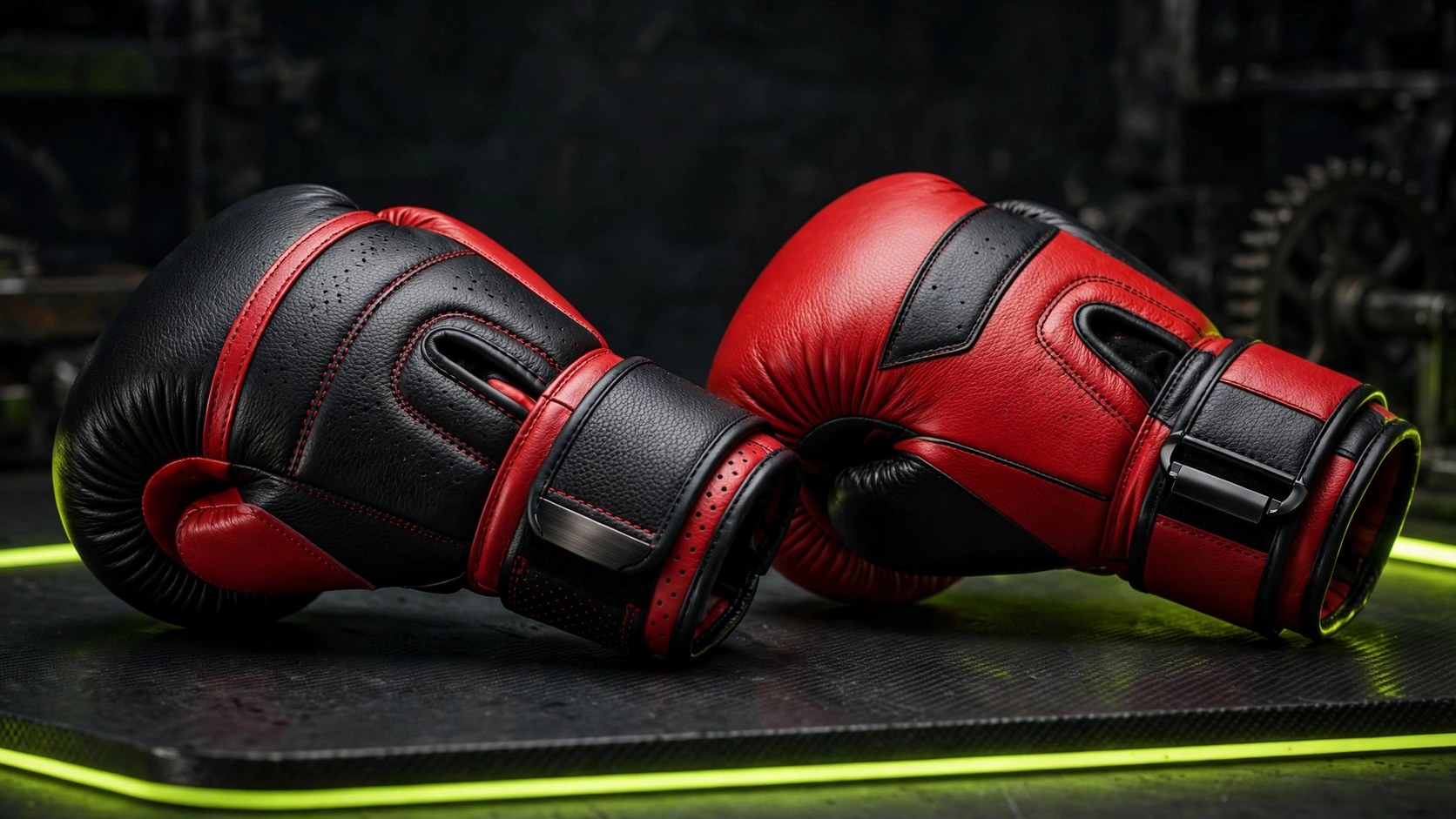
Sourcing boxing gloves from a manufacturer means specifying the glove you want, getting a sample, agreeing on materials, branding and quantity, and then approving production. The main early decision is whether to buy an existing design with your branding (often called private label) or to have a glove produced to your own specification (often called OEM). The two terms are used loosely across the industry, so define them in writing before comparing quotations.
This guide is for boxing brands, gyms, clubs, distributors and retailers planning a bulk or branded glove order.How manufacturer sourcing works
- Define the product: glove type, size range, materials, branding.
- Send an enquiry with your specification and quantity range.
- Review the quotation and compare specification, not just price.
- Approve a sample after checking construction, padding feel, fit and print.
- Confirm the bulk order, including packaging and quantities per size.
- Production and inspection.
- Shipping and delivery.
OEM vs private label: the practical difference
| Private label | OEM | |
|---|---|---|
| Product design | Manufacturer’s existing glove design | Your own design, pattern or specification |
| Your input | Branding, colours, labels, packaging | Pattern, construction, materials, branding |
| Development effort | Lower | Higher; needs samples and revisions |
| Typical MOQ pressure | Often lower, since the pattern already exists | Often higher, since development is specific to you |
| Best for | Gyms and new brands wanting to launch quickly | Established brands needing a distinctive product |
Glove types and specifications to define
- Training and sparring gloves: designed for repeated use, with more padding and wrist support.
- Bag and pad gloves: lighter, built for equipment work.
- Competition gloves: subject to the rules of the sport’s governing body or event organiser. If you plan to supply competition gloves, check the applicable rules for the event or federation rather than assuming a standard glove qualifies.
- Gym-use gloves: often chosen for durability and easy cleaning across many users.
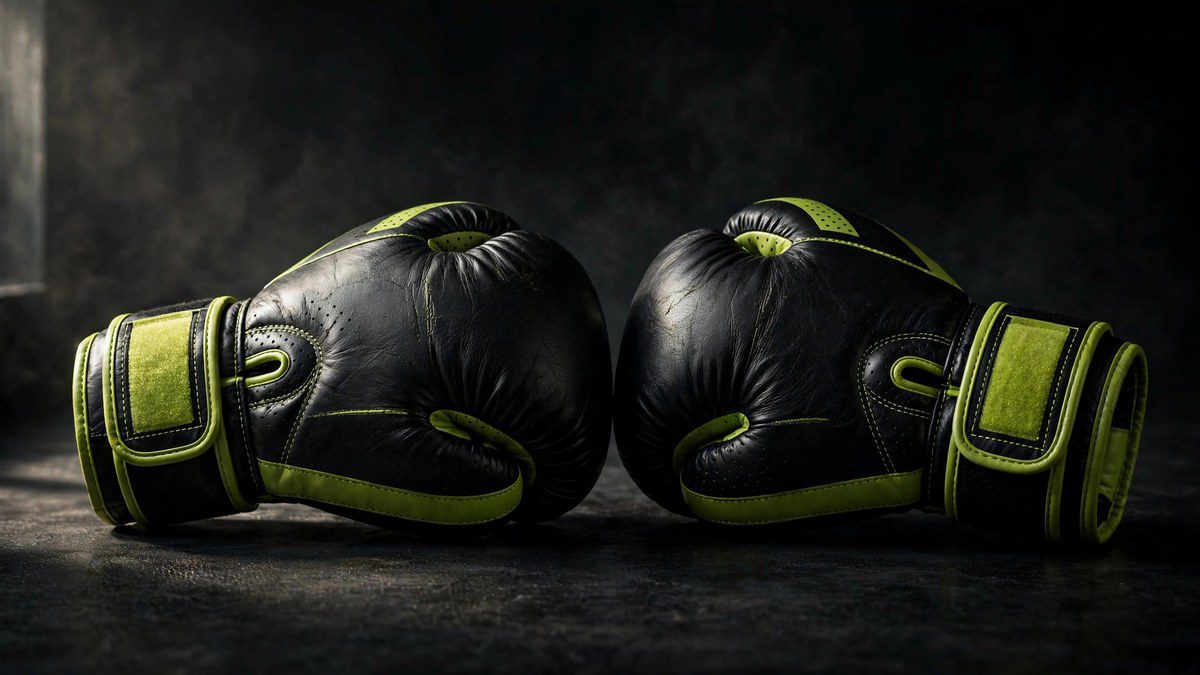
Materials and construction
Sizes and weights
Branding and packaging
- Logo methods: printed, embroidered, or applied patches; ask which suit the outer material.
- Colour-ways: confirm whether colours are standard or custom-matched, and what that does to MOQ.
- Labels and tags: woven labels, wrist tags and care labels.
- Packaging: polybags, boxes or branded packaging for retail. Packaging often has its own minimum.
Sampling, MOQ and quality control
What to include in a quotation request
- Glove type and intended use
- Quantity range, with size and weight split
- Outer material and lining preference, or a reference glove
- Colours and artwork files
- Closure type and any special features
- Labels, hang tags and packaging
- Destination country and target delivery date
- Whether you want OEM (your design) or private label (existing design)
Questions to ask a boxing glove manufacturer
- Is this OEM or private label, and who owns the design?
- What materials are used for outer, padding and lining?
- What MOQ applies per design, colour and size?
- Can you provide a sample, and under what terms?
- How are quality checks performed before shipping?
- What packaging options are available?
- How are defects or discrepancies handled?
FAQs
Private label usually means branding an existing glove design. OEM usually means production to your own design or specification. Definitions vary, so confirm what each supplier means.
It depends on the design, materials, colours and sizes. Ask for the MOQ in writing for your exact specification.
Yes. Gyms commonly order branded gloves through private label or custom branding. Ask about logo methods and MOQ.
It depends on your price point, market and durability expectations. Compare samples of each rather than relying on descriptions.
Sampling is strongly recommended for boxing gloves, given the complexity of construction and padding.
Only if the glove meets the rules of the relevant governing body or event. Confirm those requirements first and share them with the manufacturer.
Compare materials, padding, closure, branding method, packaging, MOQ, sample terms and lead time on the same specification.