

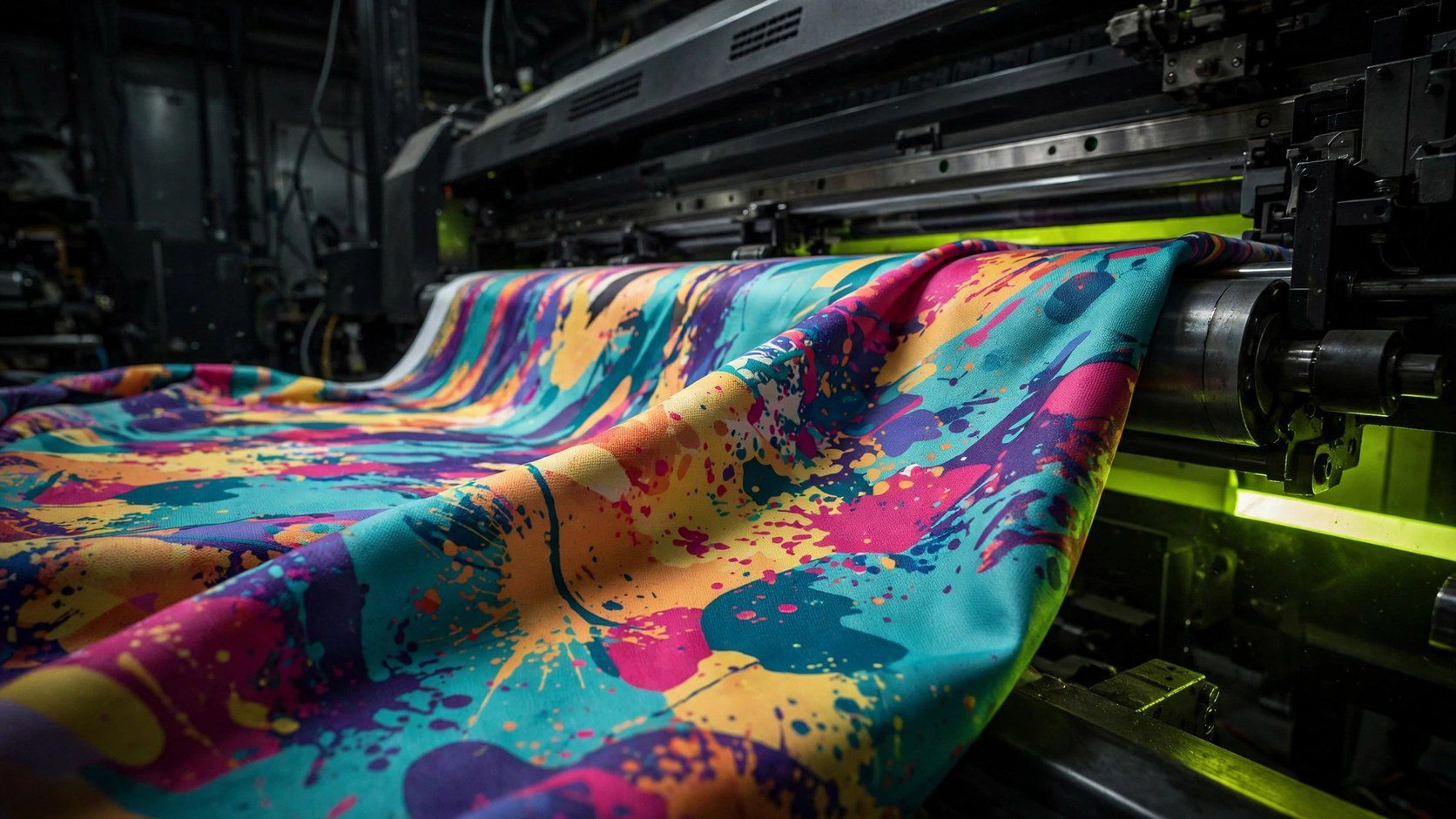
Short answer: neither is universally better. Sublimation suits detailed, all-over or highly customised designs on polyester. Cut-and-sew with pre-dyed fabric suits simpler, panel-based designs, mixed fabrics and decorations such as twill or embroidery. The right choice depends on the design, the product, the quantity and your priorities.
What each term actually describes
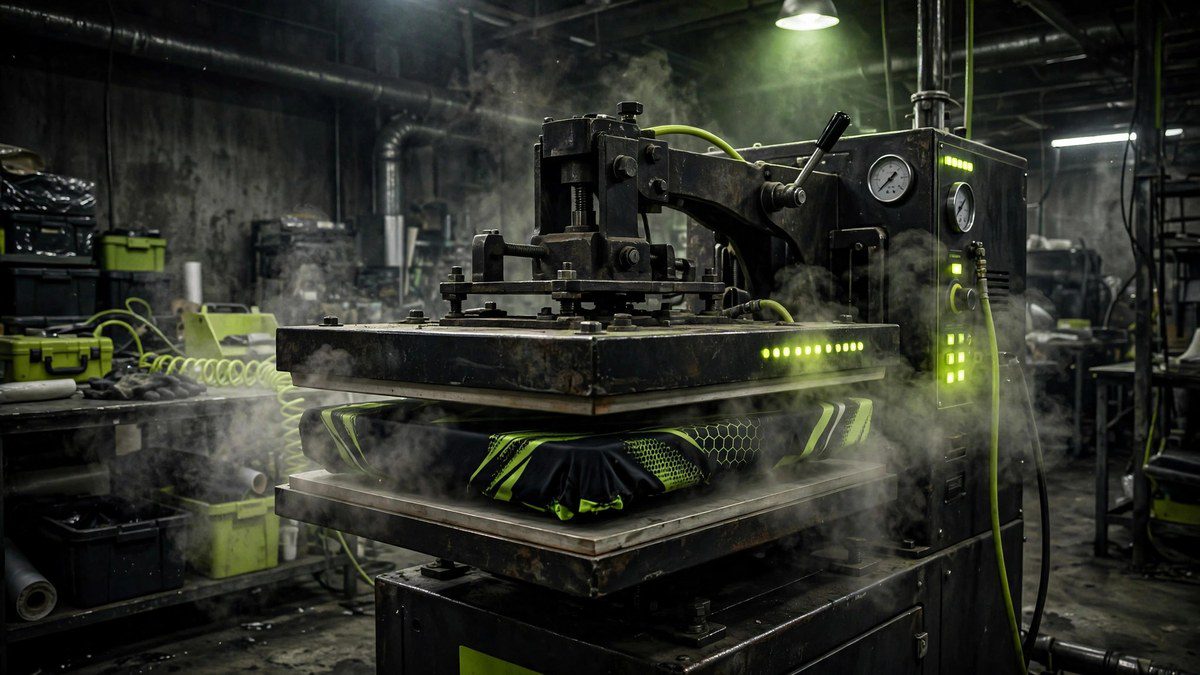
- Sublimation is a colouring and decorating method. Design is printed onto transfer paper, then heat moves the dye into polyester fibres so the colour becomes part of the fabric.
- Cut-and-sew is a construction method. Fabric panels are cut to a pattern and sewn together. The fabric can be plain dyed, printed or pre-patterned.
Side-by-side comparison
| Factor | Sublimation | Traditional cut-and-sew (pre-dyed panels) |
|---|---|---|
| Design flexibility | Very high: gradients, patterns, all-over graphics | Limited to available fabric colours and panel layouts |
| Colour and detail | Photographic detail and complex logos possible | Clean solid colours; detail via embroidery, twill or applied graphics |
| Fabric | Polyester or high-polyester fabrics | Wider range, including cotton and blends |
| Branding | Names, logos and crests can be part of the design | Names and logos usually added by print, embroidery or patches |
| Custom colours | Colour is printed, so shade is handled in the print file | Custom shades often depend on fabric dye availability |
| Minimums | Often suited to varied designs across a team; actual MOQ depends on supplier | Often depends on fabric colour and panel minimums; varies by supplier |
| Durability | Print is in the fibre and does not crack or peel; wear depends on fabric and care | Depends on fabric, stitching and applied decoration |
| Lead time | Adds artwork approval and print steps | Depends on fabric availability and decoration steps |
| Cost | Varies by design, fabric and volume | Varies by fabric, panels and decoration |
Design and colour reproduction
Minimum order and production considerations
Durability considerations
Which sports and products suit which method
- Football: sublimation is widely used for patterned or striped designs, while cut-and-sew panelling suits simple colour-block shirts. See our football uniforms range, and our guide to ordering custom football kits for the full order process.
- Cricket: many clubs want detailed sponsor and name printing on shirts, while traditional whites and club colours may suit pre-dyed fabrics. Browse our cricket uniforms.
- Basketball: open-design jerseys with large graphics suit sublimation, which is why custom sublimated basketball uniforms are a common request. See our basketball uniforms.
- Ice hockey: jerseys often combine heavier fabrics, panels and crest applications, so the choice depends on fabric and construction needs. See our ice hockey uniforms.
How to decide: buyer checklist
- Design: is it all-over graphic, or a few colour blocks and a crest?
- Fabric: do you need polyester performance fabric, or a different feel?
- Personalisation: unique names and numbers per player?
- Quantity: one design or several across teams?
- Budget: have you compared quotations for both methods?
- Timeline: when must stock arrive, and how many approvals are needed?
- Rules: does your league restrict colours or logos?
FAQs
Not universally. Sublimation suits detailed, customised designs on polyester, while traditional cut-and-sew suits simple colour-block designs and other fabrics.
Usually yes. The fabric is printed and then cut and sewn into the garment, so the terms describe different parts of production.
Sublimation works best on polyester or high-polyester fabrics. Results on cotton are generally poor, so cotton designs use other decoration methods.
It depends on design, fabric, quantity and supplier. Request quotations for both methods on the same specification.
The dye is in the fibre, so it does not peel like a surface layer, but colour performance depends on fabric, dye quality and care. Test a sample.
Yes, either method can be personalised. Sublimation can include them in the print; cut-and-sew usually adds them by print, twill or embroidery.
Often yes, for example a sublimated shirt with embroidered crest. Ask the manufacturer what combinations they support.